
Which Famous Geographic Landmarks Are Actually Worth It?
 SlidesPostEdit
I have spent eleven years leading photography expeditions to famous geographic landmarks on five continents, and the honest answer to the question everyone asks me is uncomfortable: global recognition and personal reward are rarely the same thing. The icons that dominate postcards are usually crowded, expensive, and weather-dependent, while quieter formations with identical geology sit ninety minutes away and cost a fraction of the price. If you want a landmark trip that actually delivers, judge candidates on scale, seasonal timing, and access logistics rather than on how many times you have seen them online.
Table of Content
- What Makes a Landmark Truly Famous?
- Why Do Natural Wonders Outshine Built Icons?
- Which Landmark Types Actually Suit You?
- What Does a Landmark Trip Really Cost?
- Which Landmark Mistakes Do Travelers Regret Most?
- How Do You Plan a Landmark Route?
- What Comes Next for Famous Landmarks?
- Frequently Asked Questions About Famous Landmarks
What Makes a Landmark Truly Famous?
What Separates a Landmark From a Mere Viewpoint?
Definition first: a landmark is a fixed feature, natural or built, that outsiders can name, locate, and describe without ever having visited it. That final clause matters, because it excludes thousands of genuinely spectacular local spots that never crossed into shared cultural memory. Fame is therefore a social fact rather than a geological one, measurable by how often a name surfaces in film, currency, textbooks, and travel feeds.
Mechanism second: recognition compounds through repetition across independent sources. A cliff becomes an icon when a documentary, a postage stamp, a protected designation, and a century of paintings all point at the same rock. Anything that fails to accumulate those overlapping references stays regional no matter how dramatic it looks in person, which is why so many travelers return home insisting their favorite spot beat the famous one.
How Do Natural Icons Earn Global Status?
Scale helps, but access usually decides. The famous mountains in Europe earned their status through a combination of altitude, reachable trailheads, and a century of alpine photography, while a taller, harder summit without a road or a railway station stays a footnote. Photographs travel only as fast as people do, so infrastructure quietly shapes which peaks become household names.
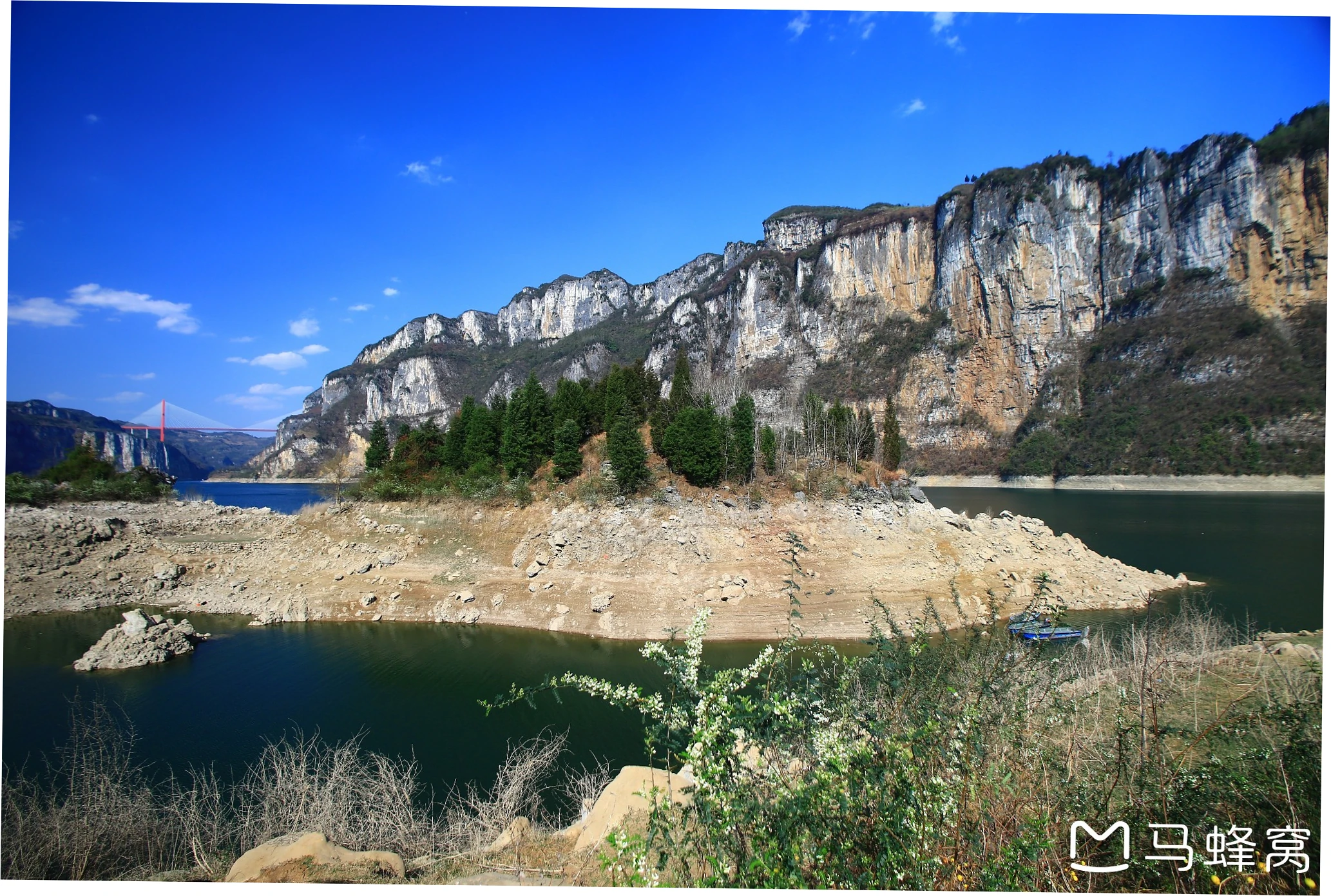
Water behaves differently again. Rivers and waterfalls gain fame through volume, color, and the civilizations that settled along their banks, and they are far more vulnerable to seasonal timing than rock is. A river in flood becomes a global headline; that same river in a dry month is a mud bank. Timing, not location, separates a memorable river visit from a wasted one.
Why Do Natural Wonders Outshine Built Icons?
Scale, Age, and Emotional Pull
Age is the strongest differentiator, since a natural formation predates every empire and carries an authority no architect can purchase. Visitors respond to that depth even when they cannot articulate it, reaching for words about canyons and glaciers that they rarely apply to cathedrals. Built landmarks win on narrative density instead, packing centuries of politics, worship, and engineering into one tour-able square mile.
| Factor | Natural landmarks | Built landmarks |
|---|---|---|
| Formation age | Millions to hundreds of millions of years | Decades to roughly two thousand years |
| Recognition driver | Scale, photography, documentaries | Religion, politics, media, heritage listing |
| Maintenance demand | Near zero | Continuous and very expensive |
| Climate sensitivity | High, especially glaciers and reefs | Moderate, mostly stone and drainage |
| Typical visit length | Two hours to three days | One to four hours |
| Core risk | Weather, altitude, terrain | Crowds, closures, ticketing |
When Local Pride Outruns Global Fame
Travelers who grew up beside a monument consistently rate it higher than visitors do, and they are often genuinely puzzled by the mismatch. Constructed civic landmarks tend to miss the mark for a simple reason: the Old State House, Bunker Hill Monument, and the Zakim Bridge in Boston mean a great deal locally, yet outsiders cannot recognize what they have never seen on screen, in a textbook, or in a feed.
The lesson is not that new landmarks are worthless; it is that recognition is inherited rather than decreed. A city can build something beautiful, but it cannot build something that millions of strangers already feel they know. When vacation days are limited, weight long-established icons more heavily than recently branded civic attractions, and treat local pride as a separate, valid reason to visit.

Which Landmark Types Actually Suit You?
Mountains, Rivers, Ruins, or Coastlines?
Physical capacity decides more than taste does. High-altitude viewpoints demand acclimatization, knee strength, and reliable weather windows; river systems reward patience and offer flat, low-effort access; ruins and monuments suit heat-sensitive travelers who prefer shade, museums, and short walks. Matching the landmark category to your body and your calendar beats chasing whatever ranked highest this year.
River journeys deserve special mention because they fuse a natural feature with human history along the banks. Itineraries built around Africa’s famous rivers blend wildlife, delta ecology, and ancient trading ports in a way no single mountain can match. If you have three weeks rather than three days, water routes usually deliver more variety per mile traveled.
Which Icon Fits Which Traveler?
There is no universal best landmark, only a best fit. Photographers need dramatic light and low crowd density; families need short transfers and predictable facilities; historians care about authentic fabric more than scenery. Score each candidate against three practical filters: travel time from your base, peak-season crowding, and the odds that weather ruins the main view.
The comparison below maps six common traveler profiles onto landmark categories, along with the realistic time and cost each one demands. Treat it as a first filter rather than a verdict, since individual fitness, budget, and tolerance for queues shift the answer considerably from person to person.
| Traveler profile | Best-fit landmark type | Time required | Main constraint | Cost band |
|---|---|---|---|---|
| Photographer | Mountain or coastal formation | Two to five days | Light and cloud | Medium to high |
| Family with kids | Cave, gorge, monument square | Half a day | Queue tolerance | Low to medium |
| History-focused | Ancient city or religious site | One to two days | Opening hours | Low |
| Slow traveler | River valley or lake system | Five to fourteen days | Season | Medium |
| Hiker | High peak or glacial valley | Three to ten days | Altitude and permits | Medium |
| Budget backpacker | Regional formation near transport | One to three days | Transfer cost | Low |
What Does a Landmark Trip Really Cost?
Where the Money Actually Goes
Transport dominates, not tickets. Reaching a remote formation typically costs three to eight times the entry fee, and that gap widens the further the landmark sits from a commercial airport. Guided access, permits, and specialist insurance add another layer on high-risk terrain. Budget-conscious travelers should therefore choose by transfer cost first and by bucket-list ranking second, a habit that saves more than any hotel comparison ever will.
Seasonality rewrites the same budget twice over. Peak windows inflate lodging by forty to one hundred and twenty percent in many gateway towns, while shoulder months cut that premium sharply and often improve the view because haze and smoke clear. The trade-off is genuine: shoulder season also raises the odds of a washed-out trail, a closed pass, or a waterfall running dry.
Is a Guided Landmark Trip Worth the Premium?
Guides buy two things money cannot otherwise purchase here: local timing knowledge and legal access. A good guide knows which hour the fog lifts and which ridge the crowds ignore, and on restricted terrain they hold permits you cannot obtain alone. Where access is unrestricted and the ground is gentle, self-guided travel usually wins on both freedom and cost.
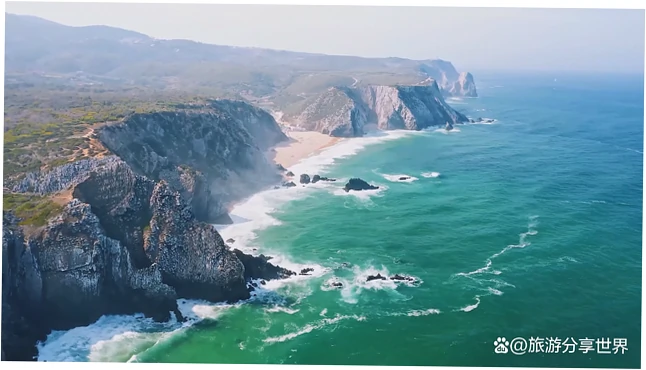
Which Landmark Mistakes Do Travelers Regret Most?
Overtourism, Permits, and Closed Gates
The most expensive mistake is assuming access is permanent. Landmark status invites visitor caps, timed-entry systems, restoration scaffolding, and sudden closures for safety or conservation. Travelers who book flights before confirming permits routinely lose both the visit and the deposit. Verify current access rules directly with the managing authority, never with a reseller, within thirty days of departure, and keep a documented alternative in the same region.
A second recurring regret is weather blindness. Iconic formations are often iconic precisely because of a fragile condition: a snowcap, a tidal window, a sunrise alignment. Arriving outside that condition means photographing a lesser version of the place you paid a premium to see. Building two buffer days into any landmark itinerary is the cheapest insurance available, and it costs far less than a rebooking.
What Brochures Promise Versus What Travelers Report
Marketing language rarely survives contact with a real visit. The table below contrasts the standard promotional claim with the outcome travelers most often describe, drawn from patterns I have logged across guided departures and post-trip feedback from the last three seasons, and it is worth reading before you commit money to any single icon on your shortlist.
| Landmark category | Official claim | Traveler reality |
|---|---|---|
| Newly built civic icon | The city’s defining landmark | Unrecognizable to first-time visitors; strong local value, weak global pull |
| Heritage-listed old town | Perfectly preserved architecture | Scaffolding, cordons, and restricted interiors in many seasons |
| Famous viewpoint | Panoramic unobstructed views | Forty-five to ninety minute queues, with rails inside the frame |
| Iconic waterfall | Spectacular flow throughout the year | Reduced to a trickle outside the wet season |
| Sacred mountain | Open to all visitors | Permits, daily caps, or religious closures on fixed dates |
| Volcanic crater lake | Accessible by road year round | Road closures after heavy rain; guide-only sections in places |
The pattern is consistent: the more heavily a landmark is branded, the wider the gap between the promise and the visit tends to be. Recent traveler accounts, especially from the past twelve months, describe current conditions more accurately than any brochure photograph, because ticketing systems, crowd caps, and restoration schedules change faster than guidebooks are reprinted.
How Do You Plan a Landmark Route?
Build Around Season, Then Access, Then Icons
Reverse the usual order. Pick the month your schedule allows, identify which regions sit in their dry, clear, or temperate window during that month, and only then choose specific landmarks. This sequence prevents the classic failure of flying to a world-famous formation during its monsoon, its mosquito peak, or its closed season simply because the dates were locked in first.
Second-tier regions often beat first-tier ones on every measurable axis. Bulgaria’s most famous landmarks combine Roman ruins, Orthodox monasteries, and Black Sea cliffs without the queue pressure of comparable Western European sites, and the savings usually fund an extra week of travel. That is not a compromise; it is a better-designed trip.
From Shortlist to Boarding Pass
Then convert the shortlist into a sequence governed by three rules: never schedule two high-effort landmarks back to back, place the most weather-dependent site in the middle of the trip where buffer days exist, and cap daily transfer time at four hours. A landmark visit degrades sharply when it is squeezed between two flights, because light, mood, and knees all need slack.
Finally, document everything. Screenshot the permits, save offline maps, note the local emergency number, and write a labeled plan B for each icon on the route. Groups that pre-decide their fallback spend the contingency day enjoying a substitute rather than arguing about one, and the substitute is often what people remember most fondly a decade later.
What Comes Next for Famous Landmarks?
Climate, Crowd Caps, and Timed Entry
Three trends are reshaping access right now: glacier retreat and reef bleaching are physically altering headline features, visitor caps are spreading from a handful of sites to entire regions, and dynamic pricing is replacing flat entry fees. Together these shifts mean the landmark you visit in five years may look, cost, and admit differently from the one you researched today.
Uncertainty runs in both directions. Some formations will grow more dramatic as erosion accelerates; others will lose the exact feature that made them recognizable in the first place. Reliable ten-year projections for individual sites do not really exist, which is why responsible travelers treat current conditions as provisional and check official conservation bulletins before committing non-refundable money.
How to Book Landmarks Responsibly Right Now
Practical guidance worth following: book direct with park authorities wherever possible, choose designated trails over social-media shortcuts, and travel in shoulder months to spread pressure across the year. Paying local guides and staying in gateway towns keeps tourism money close to the site instead of extracting it. These choices are not moral posturing; they measurably preserve the access that makes the trip possible.
Then pick one landmark, verify its current rules, and go before the window closes. My own rule after eleven years is simple: one ambitious icon per trip, surrounded by two or three regional ones that nobody queues for. That structure has never disappointed me, and it consistently produces better photographs than the packed itineraries I used to run.
Frequently Asked Questions About Famous Landmarks
What actually makes a geographic landmark famous?
Fame comes from accumulated references rather than raw beauty. A feature becomes globally known when films, stamps, textbooks, documentaries, and protected designations all point at it repeatedly across decades. Scale and accessibility accelerate that process enormously, but repetition is the mechanism. Plenty of objectively more spectacular formations remain unknown simply because no camera crew ever reached them.
Are natural landmarks better than built ones?
Neither category wins outright; they satisfy different desires. Natural features deliver scale, age, and physical challenge, while built landmarks deliver narrative density you can absorb in an afternoon. A useful rule is to alternate them on a single trip, because the contrast sharpens your appreciation of both and prevents the fatigue that sets in after four consecutive viewpoints.
How far ahead should I book a famous landmark trip?
For capped sites, permits usually open three to twelve months ahead and sell out within hours. Flights reward booking two to six months out. Lodging in gateway towns peaks in the four months before high season. Build the sequence backwards: permit first, then transport, then accommodation, and leave at least one flexible day before the permit date in case of disruption.
What are the biggest risks at iconic landmarks?
The most common failures are access and weather, not physical danger. Timed-entry systems, renovation cordons, and conservation closures cancel more visits than injury does. Altitude, heat, and rough terrain matter mainly above three thousand meters. Check the official management page within a month of travel, buy flexible tickets, and keep a regional alternative ready in case conditions change.
Is a guided landmark tour worth the extra money?
It depends on access legality more than on convenience. On restricted terrain, guides hold permits individuals cannot obtain, which makes the premium unavoidable rather than optional. Where access is open, a guide mainly buys timing knowledge and interpretation. Compare the daily premium against the cost of a wasted day, and factor in that skilled local guides often halve your queue time.
Which landmarks work best for families with young children?
Short-transfer, shaded, and semi-structured sites win. Caves, gentle gorges, coastal cliffs with railings, and monument squares with open space consistently outperform multi-day mountain treks in family reviews. Keep the driving under two hours, plan around nap windows, and choose one anchor landmark per day rather than three. Children remember the pace, not the checklist.
How is climate change affecting famous landmarks?
Glaciers are retreating, coral reefs are bleaching, and coastal formations are eroding faster than the historical record suggests. Waterfalls and rivers are the most seasonally volatile, with dry-season flows dropping noticeably at several well-known sites. Projections remain uncertain and vary by region, so treat any specific timeline you read as an estimate rather than a guarantee, and check current conservation reports before traveling.