
How to Climb Famous Mountains in Europe Safely
 SlidesPostEdit
Europe’s famous mountains are not one list but four, and the ranking you get depends on where you draw the continent’s eastern edge. Fifteen years of hiking and three seasons guiding in the Alps taught me that much: accept the Caucasus and Elbrus wins at 5,642 m, exclude it and Mont Blanc’s 4,808 m takes over. Both sit among Europe’s famous geographic landmarks, yet they reward completely different travellers.
Table of Content
- Which Mountains Actually Count as Europe?
- Which European Mountain Ranges Suit Which Traveller?
- Mont Blanc vs Matterhorn: Which Fits You?
- Mistakes and Risks on Europe’s Big Peaks
- How to Plan a Multi-Range Mountain Trip
- Building Your Own European Mountain Shortlist
- Common Questions About Europe’s Famous Mountains
Which Mountains Actually Count as Europe?
The Elbrus Problem
Where the continent ends decides which summit wins: most geographers follow the Kuma-Manych depression, which places Elbrus at 5,642 m inside Asia, while the Greater Caucasus watershed puts it firmly in Europe. I plan trips using the watershed definition, because the permits, hut culture and approach logistics around Elbrus all feel European, and most seven-summit lists still count it.
Where the Balkan and Eastern Peaks Sit
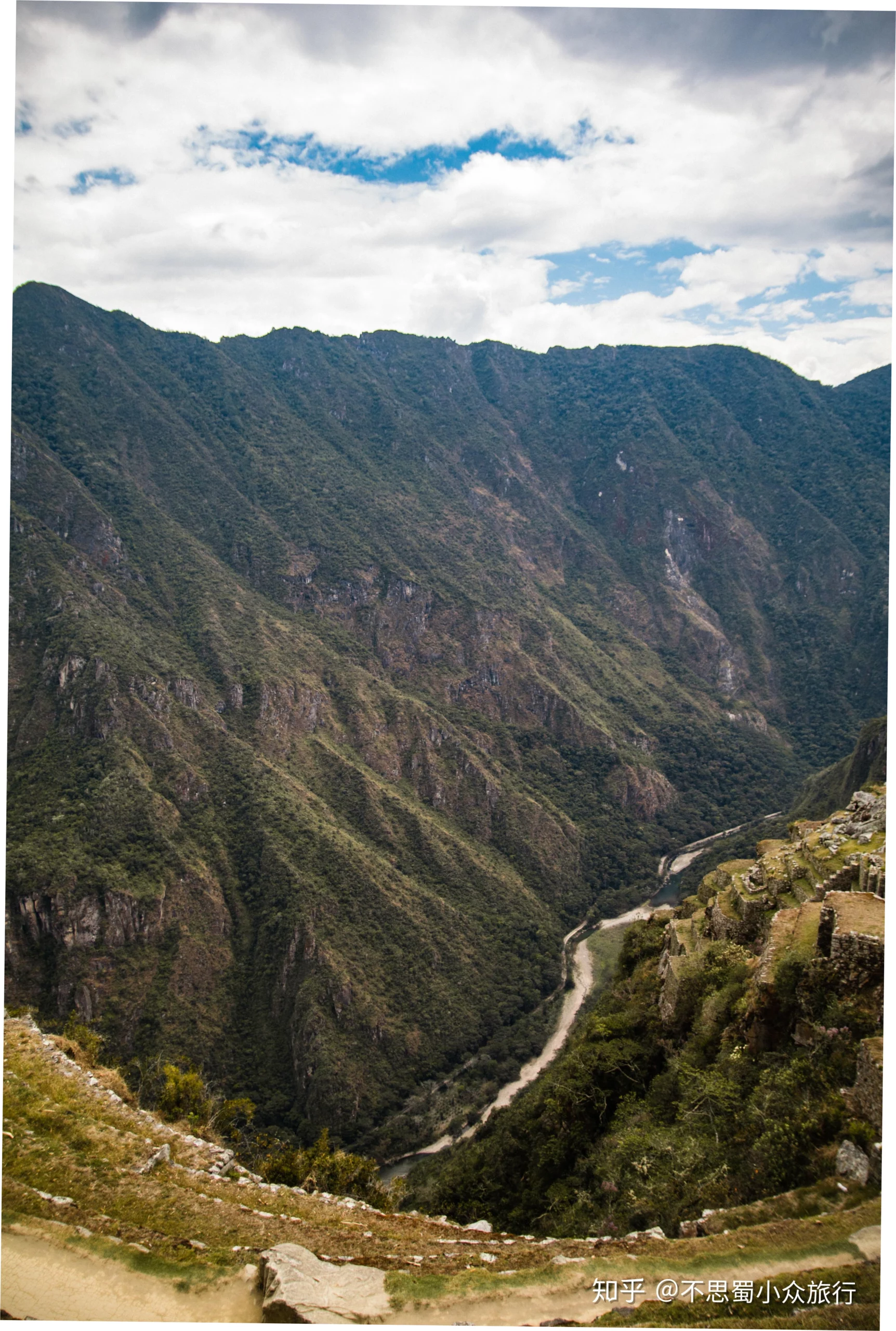
The Balkans quietly hold some of the steepest terrain on the continent, and any close look at the geography of the Balkan Mountains shows why: Musala, in Bulgaria’s Rila range, reaches 2,925 m, higher than Triglav and everything east of it until the Caucasus. That single fact surprises most hikers, who assume the Alps dominate every eastern comparison.
Islands, Volcanoes and Northern Outliers
Islands bend the map in useful ways: Tenerife’s Teide reaches 3,715 m and is Spain’s highest point, while Sicily’s Etna sits near 3,357 m and erupts often enough that summit routes change with the season. Norway’s Jotunheimen tops out at Galdhøpiggen, 2,469 m, and feels far larger because you start almost at sea level.
| Country or region | Peak | Height | Range | Note |
|---|---|---|---|---|
| Russia (Caucasus) | Elbrus | 5,642 m | Caucasus | Highest if the Caucasus counts as Europe |
| France / Italy | Mont Blanc | 4,808 m | Alps | Highest in Western Europe |
| Switzerland | Dufourspitze | 4,634 m | Monte Rosa, Alps | Highest summit entirely in Switzerland |
| Austria | Grossglockner | 3,798 m | High Tauern, Alps | Highest in Austria |
| Spain | Teide | 3,715 m | Canary Islands | Tallest European volcano outside the Caucasus |
| Spain (mainland) | Mulhacén | 3,479 m | Sierra Nevada | Highest on the Iberian Peninsula |
| Spain (Pyrenees) | Aneto | 3,404 m | Pyrenees | Highest in the Pyrenees |
| Germany | Zugspitze | 2,962 m | Wetterstein, Alps | Highest in Germany |
| Bulgaria | Musala | 2,925 m | Rila | Highest in the Balkans |
| Greece | Mount Olympus | 2,917 m | Olympus range | Highest in Greece |
| Slovakia | Gerlachovský štít | 2,655 m | High Tatras | Highest in Slovakia |
| Norway | Galdhøpiggen | 2,469 m | Jotunheimen | Highest in Northern Europe |
| United Kingdom | Ben Nevis | 1,345 m | Scottish Highlands | Highest in the UK |
Which European Mountain Ranges Suit Which Traveller?
Alps, Dolomites and Italian Variety
Italy packs more mountain variety than any other country in Europe: the western Alps, the Dolomites, the Apennines, Gran Sasso and Etna all sit within its borders. Limestone spires and via ferrata belong to the Dolomites, glaciers and 4,000 m summits to the Mont Blanc massif, and both are reachable by train, which matters more than most guides admit.
Pyrenees, Tatras and Quiet Ranges
The Pyrenees put 3,000 m summits within two hours of Barcelona, which is why Pyrenean trails above 2,500 m fill quickly in July. Further north, the High Tatras in Slovakia and Krkonoše between Czechia and Poland offer genuine hiking with thinner crowds; Sněžka at 1,603 m is modest, but on a clear morning the ridge views justify the climb.
Choosing a Range for Your Style
Match the range to what you actually want from the trip. Glacier travel points to the Mont Blanc massif or Monte Rosa, solitude points to Jotunheimen, and short summer day-hikes point to the Krkonoše. Cultural weight is its own category: Rila’s monastery sits below Musala, and mountain towns hold a firm place on any list of famous landmarks in Bulgaria.
| Traveller type | Best-fit range | Why it works | Watch out for |
|---|---|---|---|
| First mountain trip | Krkonoše (Giant Mountains) | Low summits, buses and trains reach every trailhead | Modest height, busy weekends |
| Glacier and 4,000 m goals | Mont Blanc massif, Monte Rosa | Huts, guides, established routes | Permits, cost, acclimatisation |
| Volcano chasers | Etna, Teide | Summit access, dramatic terrain | Eruption closures, heat, altitude |
| Solitude and wildlife | Jotunheimen, Norway | Empty plateaus, summer glaciers | Long journeys, fast weather changes |
| Culture plus peaks | Dolomites, Rila | Villages, food, monasteries below the summits | Peak-season crowds |
Mont Blanc vs Matterhorn: Which Fits You?
Effort, Technique and Exposure
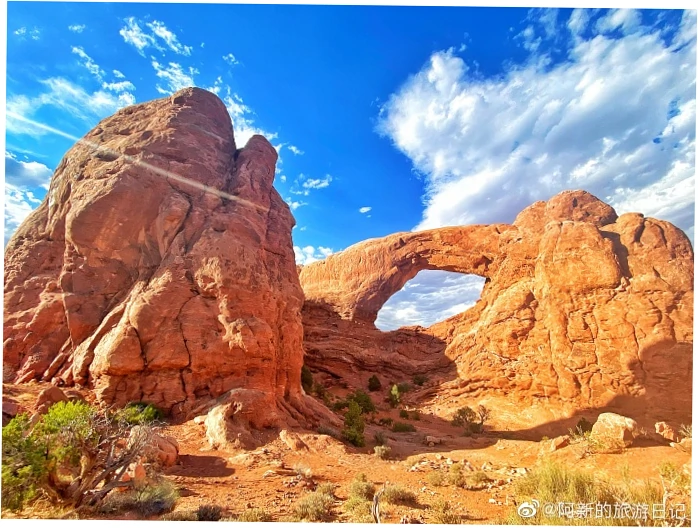
Choose by objective rather than postcard: Mont Blanc is a long snow ascent where acclimatisation and stamina matter more than rock skill, while the Matterhorn is shorter, sharper and considerably more exposed. Etna belongs to a different category entirely — you can drive most of the way and finish on foot, which makes it the most accessible big summit in Europe.
Cultural Fame vs Physical Difficulty
Mount Olympus carries more mythology than any other European peak, yet at 2,917 m it is shorter than Musala and far shorter than Mont Blanc. Fame reflects paintings, pilgrimages and nineteenth-century mountaineering history as much as it reflects difficulty, so match a mountain to your grade, season and access rather than to its reputation.
| Common claim | Standard version | What experienced hikers report |
|---|---|---|
| The Alps are untouched wilderness | Europe’s premier alpine wilderness | Heavy trail traffic, lifts and huts; wildlife far sparser than in the Rockies |
| The Caucasus is not Europe | The boundary has been debated for centuries | Elbrus still appears on European seven-summit lists; the boundary chosen changes every ranking |
| Stiff boots are essential above 2,000 m | Ankle support is mandatory on big days | On maintained trails, many hikers cover 2,000 m days in trail runners without trouble |
| Teide is the easiest high summit | 3,715 m with cable car assistance | Armenia’s Aragats exceeds 4,000 m and needs no technical equipment |
| Any range is a day’s drive away | Twelve hours by car opens up plenty of terrain | Reaching the High Tatras alone takes thirteen hours; the Krkonoše are the realistic short-haul option |
Mistakes and Risks on Europe’s Big Peaks
Altitude, Timing and Weather
Altitude punishes bad scheduling more than weak legs: above 2,500 m, pace drops noticeably, and summer ascents that finish near midday run into thunderstorms, softening snow and heat exhaustion. Leave before dawn, set a firm turnaround time, and treat every 3,000 m summit as a mountain with its own weather system, even in August.
Crowds, Closures and Local Limits
Popular routes have genuine capacity limits. Etna’s summit area closes during eruptions, the Gouter route on Mont Blanc is permit-controlled, and Krkonoše trails fill every summer weekend. Locals in smaller ranges increasingly keep their favourite valleys to themselves, because publicity turns a quiet path into a shuttle-bus destination within two or three seasons.
What the Numbers Cannot Promise
Uncertainty is built in. Snowpack, rockfall and volcanic activity change week to week, so any guide, including this one, is a starting point rather than a guarantee. Check current conditions with regional mountain rescue services and park authorities before you commit, and treat widely shared claims about the easiest high summit as approximations, not measurements.
How to Plan a Multi-Range Mountain Trip
Route Around Travel Time, Not Distance
Travel time is the binding constraint. The Alps let you wake in France, lunch in Italy and sleep in Switzerland on the same day, but reaching the High Tatras from the Netherlands takes at least thirteen hours by road. Cluster your peaks inside one range unless you are flying, and add an hour for every mountain road on the map.
Acclimatise Before Chasing Height
Give yourself a low day before anything above 3,000 m. I spend the first 48 hours on valley trails or a 1,500 m ridge, drink more water than feels sensible, and sleep low even when a hut sits higher. That routine has saved two trips for me and explains why so many fit hikers turn around early.
Gear and Booking Windows
Book huts and guided slots months ahead. Mont Blanc’s popular routes sell out by spring, Tatras huts fill for July weekends in February, and Krkonoše guesthouses go first for the winter holidays. Gear is simpler than people fear: on maintained summer trails above 2,000 m, grippy trail shoes, layers and a headlamp cover most situations.
| Peak | Height | Typical time | Technical gear | Best months |
|---|---|---|---|---|
| Sněžka | 1,603 m | 2-4 hours | None | Year-round |
| Galdhøpiggen | 2,469 m | 5-6 hours | Boots, layers | June-September |
| Musala | 2,925 m | 6-8 hours from Borovets | Boots only | June-October |
| Teide | 3,715 m | 5-6 hours, cable car optional | None in summer | April-October |
| Matterhorn | 4,478 m | 1-2 days, guided | Rope, rock gear | July-September |
| Mont Blanc | 4,808 m | 2-4 days, hut-based | Crampons, axe, guide | June-September |
Building Your Own European Mountain Shortlist
Decide what you actually want first: a volcano, a glacier, a mythological summit or an empty ridge. Then match it to a range rather than to a famous name. My own shortlist rarely changes — Teide for winter sun, Musala for early-season solitude, a Dolomites traverse for late summer — and starting with the easiest option that still delivers your goal keeps you moving upward.
Common Questions About Europe’s Famous Mountains
What is the highest mountain in Europe?
It depends on the boundary you accept. If the Caucasus counts as European, Elbrus at 5,642 m is the highest; if you follow the Kuma-Manych line, Mont Blanc at 4,808 m takes the title. Elbrus is a glaciated 5,000 m expedition, while Mont Blanc is a two-to-four day alpine route with hut nights.
Which famous mountains in Europe are easiest for beginners?
Teide in Tenerife, Sněžka in the Krkonoše, Snowdon in Wales and Musala in Bulgaria all combine real summit views with straightforward summer trails. Teide and Sněžka are the shortest, Musala demands a longer day, and Snowdon needs weather planning because conditions shift fast along the ridge.
Do famous mountains in Europe need special equipment?
Not always. Hundreds of 3,000 m summits in the Alps are reached on marked trails in summer without ropes or crampons. Once a route crosses a glacier, or once you commit to Mont Blanc or the Matterhorn, you need an ice axe, crampons and, in practice, a qualified guide.
Is the Matterhorn harder than Mont Blanc?
Technically, yes. The Matterhorn involves sustained rock scrambling and serious exposure, while Mont Blanc is mostly snow and endurance. Physically, Mont Blanc punishes people more, because altitude and long approach days break unprepared climbers. Strong rock climbers often find Mont Blanc harder than expected for exactly that reason.
Is Mount Olympus the highest mountain in the Balkans?
No. Olympus reaches 2,917 m in Greece, while Musala in Bulgaria’s Rila range stands at 2,925 m and holds the Balkan record. It is also the highest point in the eastern half of Europe once you exclude the Caucasus and Turkey, which surprises anyone raised on Greek mythology.
When is the best time to visit Europe’s famous mountains?
Late June to mid-September covers most ranges, with July and August busiest but most reliable for high routes. Norway and Iceland push later into August, while spring suits lower ranges and volcanoes such as Etna and Teide. Winter belongs to avalanche-aware ski touring rather than casual summits.
How long does a guided Mont Blanc ascent take?
Most guided ascents run two to four days including acclimatisation, hut nights and a weather window. A single-push attempt is possible for experienced alpinists but raises risk considerably. Budget extra days, because storms on the massif routinely cancel summit attempts outright.