
Famous Landmarks in Bulgaria vs Hidden Gems
 SlidesPostEdit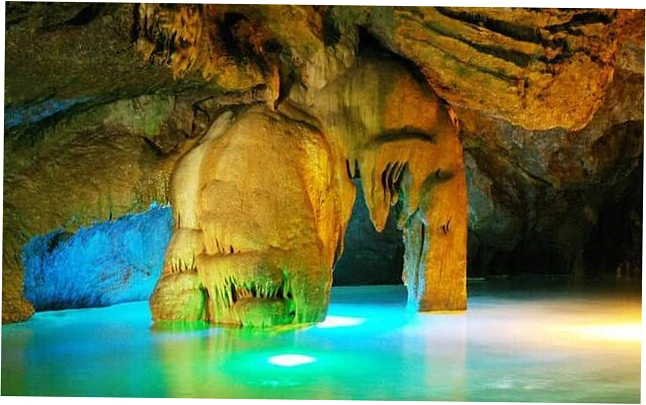
If you ask me about the most famous landmarks in Bulgaria, I’ll tell you straight: the real magic isn’t in the big beach resorts—it’s in the UNESCO-listed monasteries, ancient towns, and mountain peaks that most tourists overlook. After years of exploring this Balkan country, I’ve learned that its iconic sites deliver far more than the crowded Black Sea coast. For a complete overview, check out this UNESCO world heritage sites list to see how Bulgaria fits into the global picture. But let’s focus on what makes Bulgarian landmarks genuinely famous.
Table of Content
What Makes a Bulgarian Landmark Truly Famous?
Defining Fame Through UNESCO Recognition
Fame in Bulgaria often comes from UNESCO status, and that’s not just bureaucratic box-ticking. The Rila Monastery, for instance, is a spiritual and architectural masterpiece that draws pilgrims and photographers alike. Its frescoes and mountain setting create an unforgettable experience. Similarly, the ancient city of Nessebar packs centuries of history onto a tiny peninsula. These sites earn their reputation through a mix of historical significance, artistic value, and sheer visual drama. Without UNESCO recognition, many would remain unknown to international travelers.
But fame isn’t only about plaques. It’s about how a landmark makes you feel when you stand before it. The Boyana Church near Sofia, with its haunting medieval frescoes, feels intimate and powerful. The Madara Rider, carved into a cliff, tells a story of empires long gone. These places stick with you. They are famous because they survive, and because they connect you to something bigger than a typical vacation photo.
The Role of Natural Landmarks
Bulgaria’s natural landmarks are just as famous as its cultural ones, especially the mountains. The Rila and Pirin ranges offer alpine lakes, rugged peaks, and biodiversity that rivals anywhere in Europe. If you love hiking, these famous mountains in Europe should be on your radar. The Seven Rila Lakes are a bucket-list destination, while Pirin National Park is a UNESCO site itself. These landscapes are not just pretty backdrops—they are the heart of Bulgarian identity and a major draw for adventure travelers.
Cultural vs. Natural Icons
So which type of landmark wins? Cultural icons like the Alexander Nevsky Cathedral in Sofia dominate postcards, but natural wonders like the Belogradchik Rocks often surprise visitors more. The rocks look like a giant’s playground, with fortresses built into the formations. Meanwhile, the Thracian Tomb of Kazanlak offers a completely different vibe—ancient, mysterious, and incredibly well-preserved. The truth is, Bulgaria’s fame is spread across both categories, and skipping one for the other means missing half the story.
Which Bulgarian Landmarks Deserve Your Time?
Top UNESCO Sites You Can’t Miss
If you only have a week, prioritize the big hitters. Rila Monastery is non-negotiable—it’s the country’s most visited landmark for a reason. Then head to Nessebar for a coastal history fix, and don’t skip the Rock-Hewn Churches of Ivanovo, which are carved into a canyon. The Thracian Tomb of Sveshtari is another gem, though it’s a bit off the beaten path. Each of these sites offers a different slice of Bulgarian heritage, from Orthodox spirituality to ancient burial rituals.
But here’s a tip: visit early in the morning or late afternoon to avoid tour buses. The light is better for photos, and you’ll have more space to soak it in. Many of these sites are small, so crowds can ruin the atmosphere. I learned this the hard way at Rila—arriving at noon meant shuffling through with hundreds of others. Going at 8 a.m. gave me the monastery almost to myself.
Underrated Gems Worth the Detour
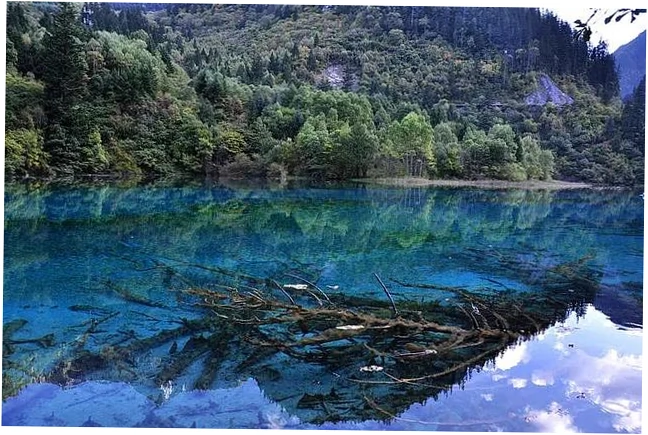
Beyond the famous names, Bulgaria hides landmarks that locals love but tourists miss. The Krushuna Waterfalls, for example, are a series of turquoise cascades in a lush forest. The Devetashka Cave is massive and eerie, used as a filming location for action movies. And the town of Koprivshtitsa feels like a time capsule of 19th-century Bulgarian revival architecture. These places aren’t on every itinerary, but they often leave a stronger impression than the crowded highlights. If you have extra time, rent a car and explore.
Comparing Popular vs. Quiet Sites
Not all famous landmarks are created equal. Some are packed, some are peaceful, and knowing the difference can save your trip. Here’s a quick comparison table I wish I’d had before my first visit. It breaks down crowd levels, best seasons, and what each site really offers. Use it to balance your itinerary so you don’t burn out on churches or spend hours in traffic.
| Landmark | Type | Best Season | Crowd Level | Why Visit |
|---|---|---|---|---|
| Rila Monastery | Cultural | May–Sept | High | Frescoes, mountain setting |
| Nessebar | Cultural | June–Aug | Very High | Ancient ruins, seaside |
| Belogradchik Rocks | Natural | Apr–Oct | Moderate | Rock formations, fortress |
| Krushuna Waterfalls | Natural | May–Sept | Low | Turquoise cascades |
| Koprivshtitsa | Cultural | May–Oct | Low | Revival architecture |
How to Plan a Landmark Tour in Bulgaria?
Best Routes and Timing
Planning a landmark tour in Bulgaria depends on how much time you have. A classic loop starts in Sofia, goes to Rila Monastery, then continues to Plovdiv, Nessebar, and Veliko Tarnovo. That’s about 7–10 days if you don’t rush. Spring and early autumn are ideal—summer is hot and crowded, while winter can close mountain roads. I always recommend checking local holidays because some sites get packed during Bulgarian national celebrations.
For a shorter trip, focus on one region. The Rila-Pirin area alone can fill four days with monasteries, lakes, and hikes. The Black Sea coast is another compact option, with Nessebar, Sozopol, and the Aladzha Monastery nearby. Trying to see everything in one week is a mistake I’ve made—you end up spending more time driving than experiencing. Slow down, pick fewer places, and go deeper.
Budget and Logistics
Bulgaria is affordable compared to Western Europe. Entrance fees for most landmarks are under 10 leva (about €5), and public transport between cities is cheap. Renting a car gives you flexibility, especially for natural sites like Krushuna or Belogradchik. But be aware that rural roads can be rough, and English is less common outside major cities. I always download offline maps and carry some cash, as not all small sites accept cards. A mid-range budget of €50–70 per day covers accommodation, food, and tickets comfortably.
Avoiding Common Tourist Mistakes
First mistake: assuming all famous landmarks are open every day. Some, like the Boyana Church, require timed entry or have limited hours. Second: ignoring dress codes at religious sites—shoulders and knees should be covered. Third: underestimating distances. Bulgaria looks small on a map, but mountain roads take time. Finally, don’t skip the small local museums; they often hold artifacts that explain the big sites. These little details can make or break your experience, so plan ahead.
| Mistake | Consequence | Smart Habit |
|---|---|---|
| Arriving at noon | Crowds, poor photos | Visit at opening time |
| Wearing shorts to monastery | Denied entry | Carry a light scarf or pants |
| Relying on cards | Can’t pay at small sites | Keep cash in leva |
| Driving after dark | Risk on rural roads | Plan daylight drives |
Are Bulgaria’s Famous Landmarks Overhyped?
What Locals and Travelers Really Think
Honestly, some landmarks get more hype than they deserve. The Black Sea coast in July is crowded and commercial, and not every “must-see” lives up to the photos. But many travelers also undervalue places. I’ve met people who skip Plovdiv’s Old Town because they’ve never heard of it, then fall in love with it. The gap between official fame and real experience is huge. That’s why I always tell friends to read beyond the top-ten lists and look for personal accounts.
The Fame Gap Between Capital and Regions
There’s a clear pattern: Sofia’s Alexander Nevsky Cathedral and Vitosha Boulevard get all the attention, while equally impressive landmarks in smaller cities remain quiet. In community discussions, travelers often point out that second or third cities rarely have an iconic landmark—but in Bulgaria, that’s not entirely true. Veliko Tarnovo’s Tsarevets Fortress is spectacular, and Plovdiv’s Roman Theatre is world-class. The problem is marketing, not quality. If you want authenticity, head to the regions and discover these places before the crowds do.
| Landmark | Official Hype | Real Feedback | Verdict |
|---|---|---|---|
| Rila Monastery | Top UNESCO site | Can be crowded, but peaceful early morning | Worth it with timing |
| Nessebar | Ancient seaside gem | Overrun in summer, better in May | Go off-season |
| Alexander Nevsky Cathedral | Sofia’s icon | Beautiful but quick visit | Combine with other sights |
| Belogradchik Rocks | Natural wonder | Less known, stunning views | Hidden gem |
Managing Expectations
Don’t expect every landmark to be a life-changing epiphany. Some are subtle, like the tiny Boyana Church, which you might see in 30 minutes. Others, like the Seven Rila Lakes, require a full day of hiking. The key is to match the site to your interests and energy. If you love history, spend more time in Plovdiv and Veliko Tarnovo. If you prefer nature, prioritize Pirin and the Belogradchik Rocks. And always leave room for surprises—some of my favorite moments happened at places I almost skipped.
The Future of Bulgaria’s Landmark Tourism
New Trends and Preservation Efforts
Bulgaria is investing more in heritage preservation, with EU funds helping restore sites like the Trapezitsa Fortress in Veliko Tarnovo. Sustainable tourism is also growing, with local guides offering alternative routes that avoid overcrowding. Digital tools like virtual tours are making landmarks accessible to people who can’t travel. These changes mean the experience is improving, but they also bring challenges like gentrification in historic towns. As a traveler, you can support preservation by choosing local guides and respecting site rules.
How You Can Travel Responsibly
You don’t need to be an expert to make a difference. Visit during shoulder seasons, stay in family-run guesthouses, and buy crafts directly from artisans. Avoid touching frescoes or climbing on ruins, and never leave trash behind. If you’re visiting a monastery, dress modestly and keep your voice down. These small actions help keep Bulgaria’s famous landmarks intact for future generations. And honestly, slow travel gives you a richer experience too—you notice details you’d miss in a rush.
ready to explore? Pick one region, book a few nights, and let the landmarks surprise you. Whether it’s the Rila Monastery at dawn or the Belogradchik Rocks at sunset, Bulgaria’s famous sites have a way of staying with you. Just remember to look beyond the obvious and travel with curiosity—you’ll be rewarded.
Frequently Asked Questions About Bulgarian Landmarks
What are the most famous landmarks in Bulgaria?
The Rila Monastery, Nessebar, the Alexander Nevsky Cathedral, and the Belogradchik Rocks are among the most famous. UNESCO-listed sites like the Thracian Tombs and Pirin National Park also draw visitors. Each offers a unique mix of history, nature, and culture.
How many UNESCO World Heritage Sites are in Bulgaria?
Bulgaria has 10 UNESCO World Heritage Sites, including 7 cultural and 3 natural. They range from ancient cities to monasteries and national parks. This makes Bulgaria one of the richer countries in the Balkans for heritage tourism.
Are Bulgarian landmarks expensive to visit?
Not at all. Most entrance fees are between 5 and 15 leva (€2.50–€7.50). Transportation and food are also affordable. A daily budget of €50–70 covers a comfortable visit, including accommodation and meals.
When is the best time to visit Bulgaria’s famous landmarks?
Late spring (May–June) and early autumn (September–October) are ideal. The weather is mild, and crowds are thinner. Summer is hot and busy, especially along the coast, while winter can limit access to mountain sites.
Do I need a car to see Bulgaria’s landmarks?
A car gives you the most flexibility, especially for natural sites. However, buses and trains connect major cities and some landmarks. For remote places like Krushuna Waterfalls, renting a car is recommended.
Are there any risks or scams to watch out for?
Bulgaria is generally safe, but watch for overpriced taxis and pickpockets in tourist areas. Some rural roads are poorly maintained, so drive carefully. Always carry cash for small sites that don’t accept cards.
Can I visit Bulgaria’s landmarks on a budget?
Yes. Stay in hostels or guesthouses, use public transport, and eat at local bakeries. Many churches and monasteries are free or ask for small donations. Prioritize a few key sites rather than trying to see everything.