
Salzkammergut Region Austria: Complete Landscape Overview
 SlidesPostEdit
What Makes Salzkammergut Region Austria So Distinct?
The Salzkammergut region in Austria is not one landmark but a 76-lake Alpine puzzle where salt mines, emperor-era villas, and limestone peaks force you to choose between breadth and depth. I have learned the hard way that trying to see Hallstatt, Wolfgangsee, and Traunsee in 24 hours produces blurry photos and zero memory. My blunt recommendation: give it three nights minimum, base yourself in Bad Ischl or St. Wolfgang, and let the weather decide your daily route. Seen through the wider atlas of famous geographic landmarks, it is a watershed of culture and geology, not a checklist item.
Table of Content
How Salt and Ice Shaped the Landscape
The Salzkammergut owes its unusual shape to Triassic salt deposits and Pleistocene glaciers. For over 7,000 years, miners extracted the white gold that gave the Habsburg treasury its glow, and the mines at Hallstatt and Altaussee remain active cultural sites. The Dachstein glacier, retreating but still dramatic, feeds the lakes with cold, clear meltwater. That geology explains why the region feels like a maze of cliffs, tunnels, and sudden turquoise bays rather than a flat lake district.

Which Towns Anchor the Region?
Gmunden, Bad Ischl, St. Wolfgang, Hallstatt, and Mondsee each play a different role. Gmunden is the gateway with its lakeside promenade and ceramic history. Bad Ischl is the imperial town, compact and food-focused. St. Wolfgang offers pilgrimage charm and steamboat access. Hallstatt is the compressed icon, beautiful and crowded. Mondsee is quieter, with an abbey and easy Salzburg connections. Choosing one as a base changes your entire trip more than any single attraction.
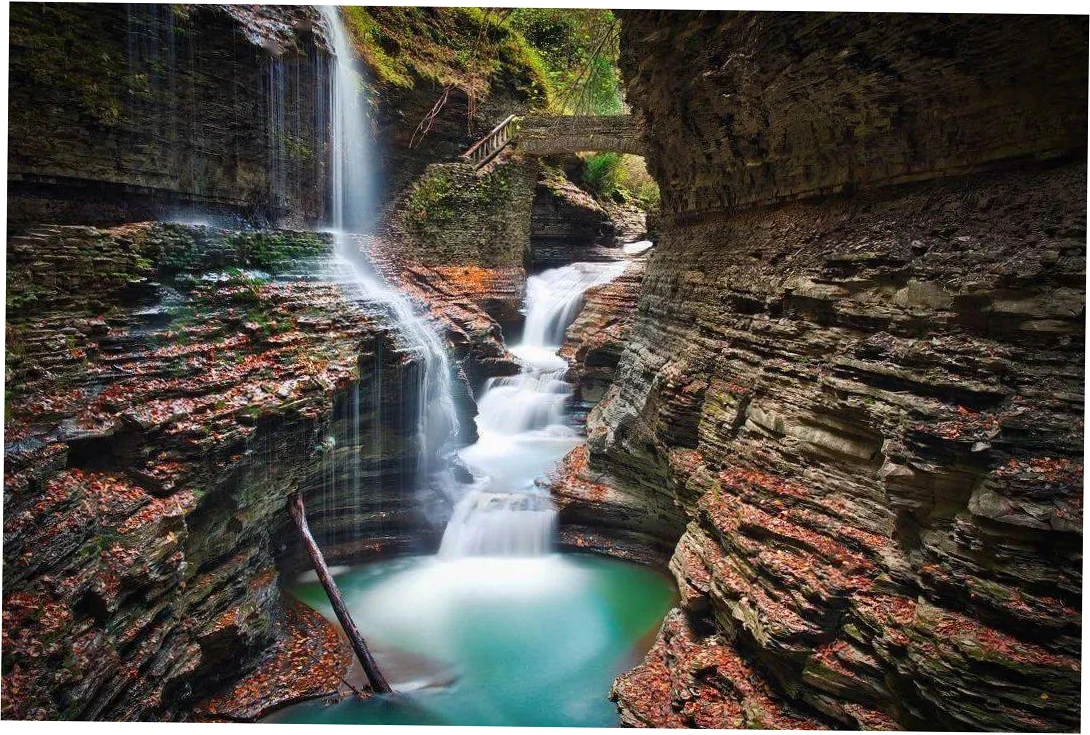
Why Hallstatt History Still Matters
Hallstatt is not just a selfie backdrop; its history of Hallstatt in Austria spans prehistoric salt mining, a medieval market, and a 19th-century tourist awakening. The Hallstatt Culture, an early Iron Age period, takes its name from the village cemetery and mine shafts. Knowing that context turns a crowded alley into a story of trade, burial, and survival. I suggest visiting the Beinhaus and salt mine before noon, then walking the Echern valley when tour buses arrive.
| Town | Best For | Crowd Level | Transport Ease | Main Trade-Off |
|---|---|---|---|---|
| Bad Ischl | First-timers, food, imperial history | Medium | Excellent rail and bus hub | Less lakefront drama |
| St. Wolfgang | Couples, lake views, Schafberg railway | High in summer | Good bus and boat links | Higher lodging prices |
| Hallstatt | Iconic photos, short stays | Extreme midday | Limited parking, train plus ferry | Overtourism pressure |
| Gmunden | Families, calm evenings | Low to medium | Direct rail from Linz | Fewer blockbuster sights |
| Mondsee | Salzburg access, quiet retreat | Low | Easy bus from Salzburg | Less central for eastern lakes |
How to Choose Your Salzkammergut Base
Your base determines whether you spend the week gliding between lakes or sitting in traffic. I treat the region as three loose zones: the eastern Traunsee and Attersee area, the central Bad Ischl and Hallstatt corridor, and the western Mondsee and Wolfgangsee pocket. If you want one bed for the whole trip, Bad Ischl gives the best balance of rail connections, restaurants, and day-trip reach. If you crave water at your window, St. Wolfgang or Gmunden wins.
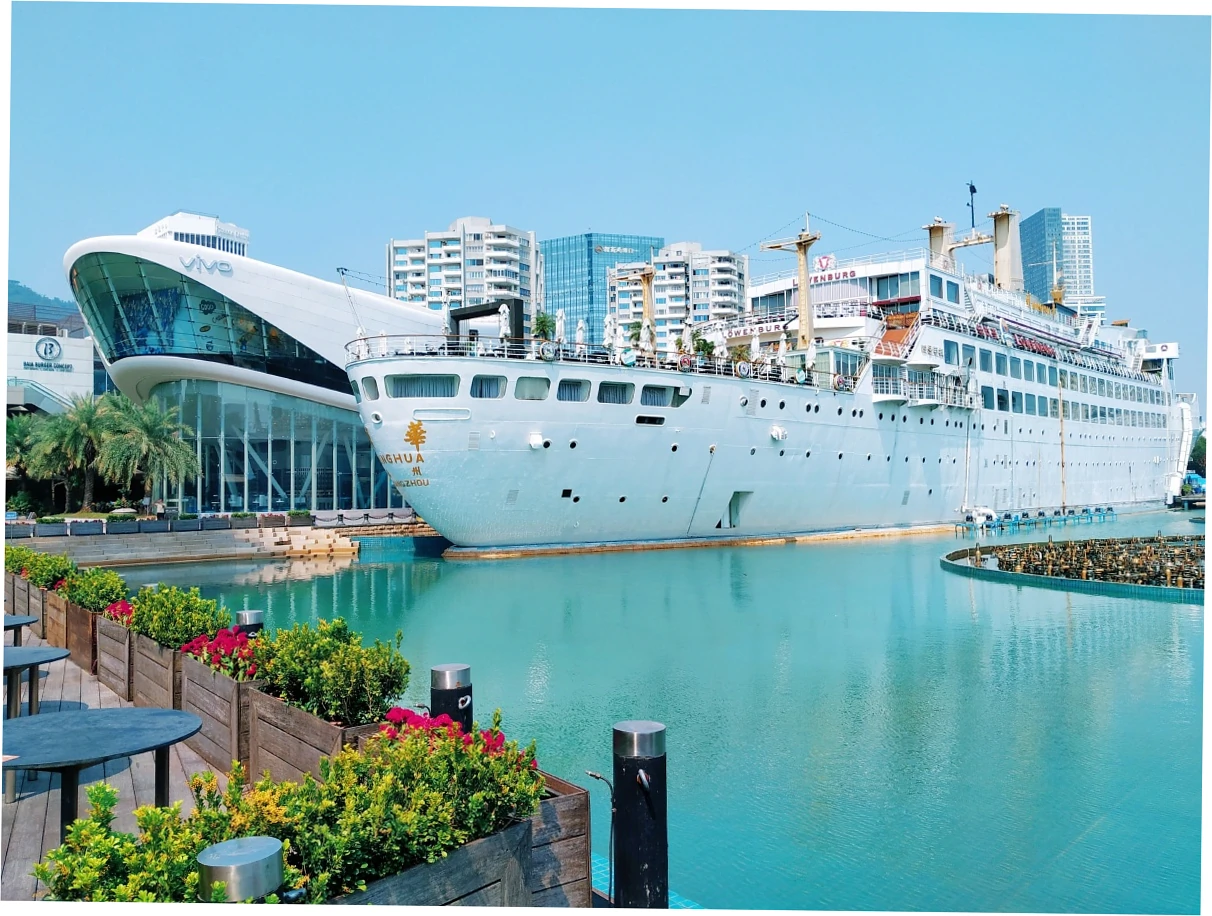
Hallstatt vs Bad Ischl vs St. Wolfgang
Hallstatt delivers the wow factor in a single frame, but it is tiny, expensive, and overwhelmed by day visitors from 10 a.m. to 4 p.m. Bad Ischl feels like a real Austrian town, with bakeries, a river, and the Kaiservilla, and it makes an excellent base for bad weather. St. Wolfgang is romantic and walkable, though its lakefront hotels charge for the privilege. I would sleep in Bad Ischl and visit Hallstatt early, rather than sleep in Hallstatt and fight crowds every time I step outside.
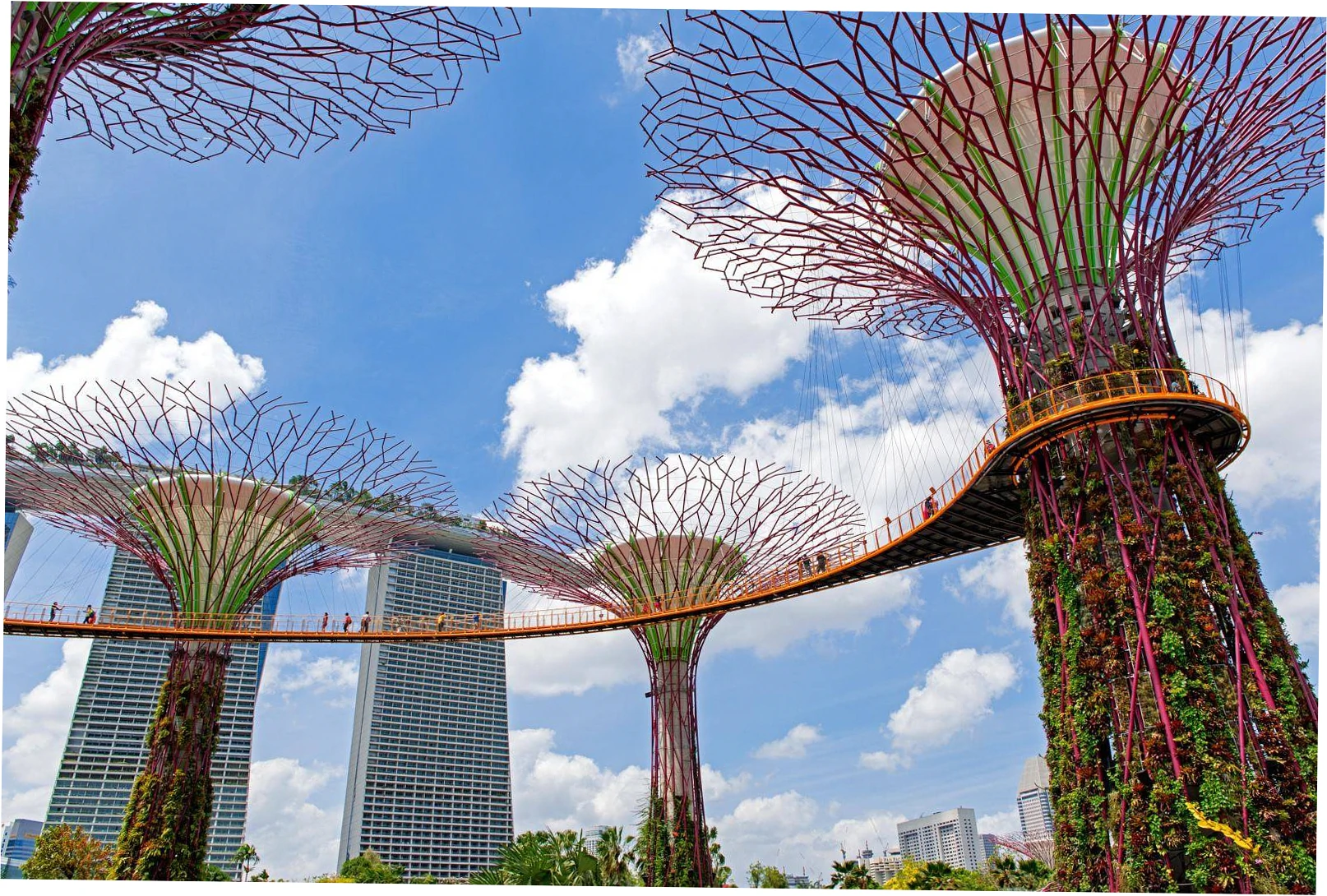
Public Transport vs Rental Car
Trains and buses connect the main towns well enough for a car-free trip, especially along the Salzkammergutbahn and the Wolfgangsee schifffahrt. A rental car helps for remote valleys, Altaussee, Grundlsee, and early-morning photo stops, but parking in Hallstatt and St. Wolfgang is costly and often full. My compromise: use rail for the central corridor, then rent a car for one or two dedicated mountain days. That keeps stress low without sacrificing hidden lakes.
| Mode | Best Use Case | Cost Pattern | Limitation |
|---|---|---|---|
| Rail | Bad Ischl, Gmunden, Hallstatt link, Attnang-Puchheim | Moderate, reliable | Fewer late-night options |
| Bus | Wolfgangsee, Mondsee, smaller villages | Low per ride, slower | Seasonal timetables |
| Boat | Lake crossings and scenic arrival | Premium scenic value | Weather-dependent |
| Rental car | Remote valleys, dawn photography, families | High parking and fuel | Hallstatt access limits |
| Bicycle | Attersee and Traunsee day loops | Low if you bring gear | Hills demand fitness |
Which Salzkammergut Experiences Are Worth the Money?
The region sells dozens of boat rides, cable cars, and salt mine tours, but not all are equal. I rank experiences by memory per euro, not by Instagram hype. The Hallstatt Salt Mine and the Dachstein ice cave deliver real geological drama. The Schafbergbahn steam cog railway is expensive but unforgettable on a clear day. A simple lake ferry between St. Wolfgang and St. Gilgen can be just as magical for a fraction of the cost.
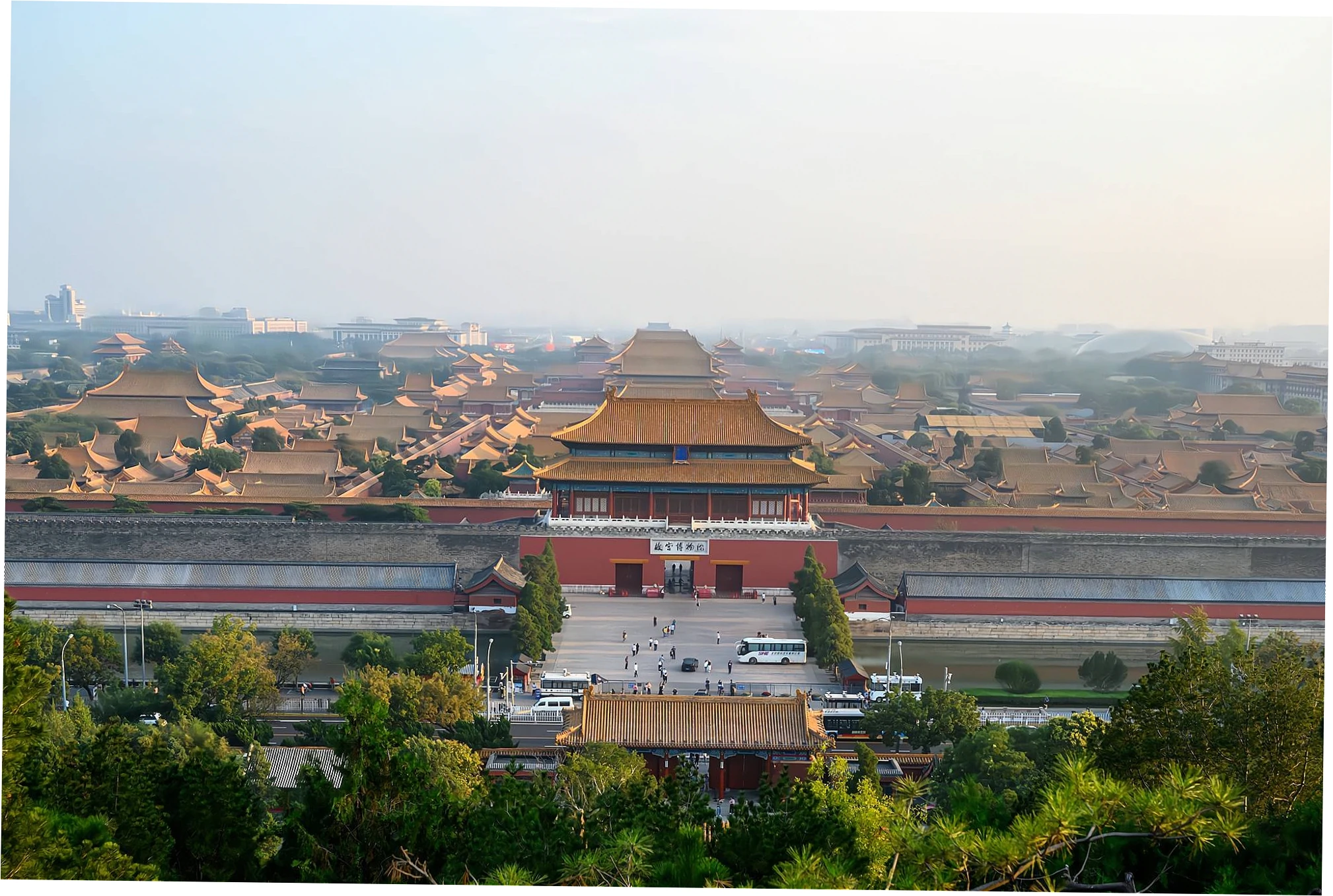
Best Lake and Mountain Experiences
Start with the classics: the Hallstatt salt mine, the Dachstein Krippenstein or Five Fingers viewpoint, and the Schafberg summit. For water, swim at Untersee or Mondsee, paddle the Traunsee, and take the Wolfgangsee boat at sunset. Hikers should not miss the Loser panorama or the Echern valley loop. In bad weather, the Kaiservilla, the Salzkammergut museums, and the Altaussee salt mine keep the day worthwhile. Mix one paid summit with one free shoreline walk daily.
What Costs Add Up Quickly
Lodging and parking are the silent budget killers. A midrange lake-view double in July or August can run 150 to 250 euros per night, while Hallstatt charges premium rates for small rooms. Cable cars, boats, and mine tours often cost 25 to 45 euros each. Meals in tourist centers are predictably high. I save money by staying in Bad Ischl or Gmunden, buying picnic supplies at local markets, and choosing one major paid attraction per day instead of three.
Should You Buy the Salzkammergut Card?
The Salzkammergut Card can pay off if you plan multiple cable cars, boats, and museums within a few days. It is less useful for slow travelers who prefer free hikes and one big splurge. Do the math against your actual shortlist before buying. I once bought a card and barely used it because rain canceled two mountain days, so I now treat it as optional insurance rather than a default purchase. Check current partner lists because coverage changes.
What Are the Real Risks and Misunderstandings?
Most Salzkammergut disappointment comes from timing and transport, not from the landscape itself. Travelers picture empty alpine villages and then meet bus groups, closed mountain roads, and fog that hides the Dachstein for three days. The region is not a theme park; it is a working cultural landscape with weather, farming, and local limits. Respecting those limits is the difference between a magical week and a frustrating checklist sprint.
Overtourism and Seasonal Closures
Hallstatt has become the flashpoint for overtourism in Austria, with bus limits, parking controls, and local frustration during peak hours. Go before 9 a.m. or after 5 p.m. if you want breathing room. Many cable cars, boats, and mountain huts close from late October to April, and some smaller hotels shut entirely in winter. Christmas markets are charming but limited. Always verify opening dates for the exact week you plan, because a beautiful June itinerary can fail in November.
Weather, Driving, and Accessibility Mistakes
Alpine weather changes fast, and a sunny morning can become a cold, slick afternoon. I never book a summit cable car for my only full day. Drivers underestimate narrow lake roads, paid parking, and winter tire rules. Car-free travelers sometimes assume every village has frequent evening buses, which is false outside the main lines. Mobility-limited visitors should check boat and cable car access in advance; not every historic alley or mine tunnel is step-free. Build buffer time and verify accessibility directly.
| Common Assumption | What Often Happens | Better Move |
|---|---|---|
| Hallstatt is a quiet alpine village | Midday crowds flood the narrow lanes | Stay overnight or visit at dawn |
| Public transport reaches every lake easily | Remote valleys have sparse evening service | Plan car days or early returns |
| A Salzkammergut Card saves money | Rain cancels paid attractions | Buy only for confirmed clear days |
| Summer is always the best time | July and August bring peak prices and crowds | Try late May, June, or September |
| Lake views are guaranteed | Fog can hide mountains for days | Keep flexible indoor backups |
How to Build a Salzkammergut Itinerary
A good Salzkammergut itinerary alternates one big paid experience with one slow local discovery. Start with a base in Bad Ischl, add a Hallstatt morning, a Wolfgangsee boat day, and a Dachstein or Traunsee mountain day. Leave one unscheduled afternoon for swimming, a bakery stop, or a ferry ride that catches your eye. This rhythm prevents burnout and gives weather room to cooperate. The region rewards curiosity more than speed, so protect empty space in your plan.
A Three-Day Slow Route
Day one: arrive in Bad Ischl, walk the Kaiservilla gardens, and eat dinner by the Traun river. Day two: take the early bus or train to Hallstatt, tour the salt mine, then return for a spa evening. Day three: ride the Schafbergbahn from St. Wolfgang, take the boat to St. Gilgen, and end with a lakeside swim. This route covers icons without turning the trip into a coach tour. Book the railway and mine in advance.
A Seven-Day Deep Dive for Hikers and History Lovers
Add Gmunden and Traunsee, a Dachstein glacier day, and a quiet Altaussee or Grundlsee excursion. Hikers can link the Loser plateau, the Echern valley, and the Attersee shoreline. History lovers should include the Altaussee salt mine, the Kaiservilla, and the Mondsee abbey. Use two bases, Bad Ischl and Gmunden, to reduce daily travel. A week lets you absorb the salt-and-water story instead of merely photographing it.
Sources and Further Reading
For trip planning, consult official Salzkammergut tourism pages, Austrian Federal Railways timetables, and UNESCO documentation for the Hallstatt-Dachstein/Salzkammergut Cultural Landscape. Local museum sites for the Kaiservilla, Hallstatt Salt Mine, and Altaussee Salt Mine provide seasonal opening details. Weather and trail status should always be checked through regional mountain rescue and cable car operators. These sources ground practical decisions in verifiable local conditions rather than outdated blog posts.
Salzkammergut Region Austria: Practical FAQs
Is Salzkammergut region Austria worth visiting if I dislike crowds?
Yes, but you must avoid Hallstatt at midday and choose quieter bases like Gmunden, Mondsee, or Altaussee. The region has many calm lakes, forest trails, and small villages where tourism feels gentle. Travel in June or September, start early, and use public transport for the famous spots. If you demand total solitude in July, you will be disappointed; if you accept strategic timing, the Salzkammergut remains deeply rewarding.
How many days do I need for Salzkammergut?
Three nights cover the icons with rushed mornings. Five to seven days let you add Traunsee, Attersee, Dachstein, and hidden valleys without exhausting yourself. I recommend four nights as the sweet spot for first-timers: enough for Hallstatt, Wolfgangsee, and one mountain day, plus a buffer for rain. Anything less than two nights feels like a bus tour, not a visit.
Which is better: staying in Hallstatt or Bad Ischl?
Bad Ischl is better for most travelers because it has more restaurants, better transport, and lower prices. Hallstatt is better only if your dream is dawn and dusk photography from a lakefront room. Hallstatt hotels are small, expensive, and often book out months ahead. I suggest sleeping in Bad Ischl and taking an early bus to Hallstatt, then returning when crowds peak.
What are the biggest mistakes first-time visitors make?
They try to see too many lakes in one day, underestimate parking, and assume mountain cable cars run year-round. They also skip the salt mines and treat Hallstatt as the entire region. Another common error is ignoring weather forecasts, then losing a paid summit day to fog. Build flexibility, book only essential tickets, and keep one indoor backup for every outdoor plan.
Can I explore Salzkammergut without a car?
Yes, the main corridor works well by rail, bus, and boat. Bad Ischl, Gmunden, Hallstatt, St. Wolfgang, and Mondsee are reachable with public transport. Remote areas like Altaussee, Grundlsee, and some Dachstein trailheads are harder but still possible with seasonal buses. For maximum freedom, combine public transport with one or two rental car days rather than renting for the whole trip.
When is the cheapest and quietest time to visit Salzkammergut?
Late May, early June, and September offer lower prices, fewer crowds, and generally good weather. October is quieter but colder, with some closures. Winter is cheapest but limited for hiking and boats. Avoid the July and August peak if you value spontaneity, because lodging, parking, and popular attractions become stressful. Shoulder season gives the best balance of cost and experience.
Is the Salzkammergut Card worth it for a short trip?
It depends on your confirmed plans. The card suits travelers using multiple cable cars, boats, and museums in three or more active days. For a relaxed trip with one paid attraction daily, it often loses value. Check the current partner list, compare against your shortlist, and buy only if the math works before arrival. Weather cancellations can turn a good deal into wasted money.